Exploring the Manufacturing Refine Behind Rubber Keypads and Their Importance in Modern Instruments
Rubber keypads are critical in the capability of modern-day gadgets. Their manufacturing procedure includes careful option of materials and exact techniques. Keypads are developed to improve user interaction while guaranteeing durability and dependability. Understanding just how these components are made discloses their importance across various applications. What elements add to their performance, and how do these elements influence individual experience? The answers might improve assumptions of this day-to-day innovation.
Review of Rubber Keypads and Their Applications
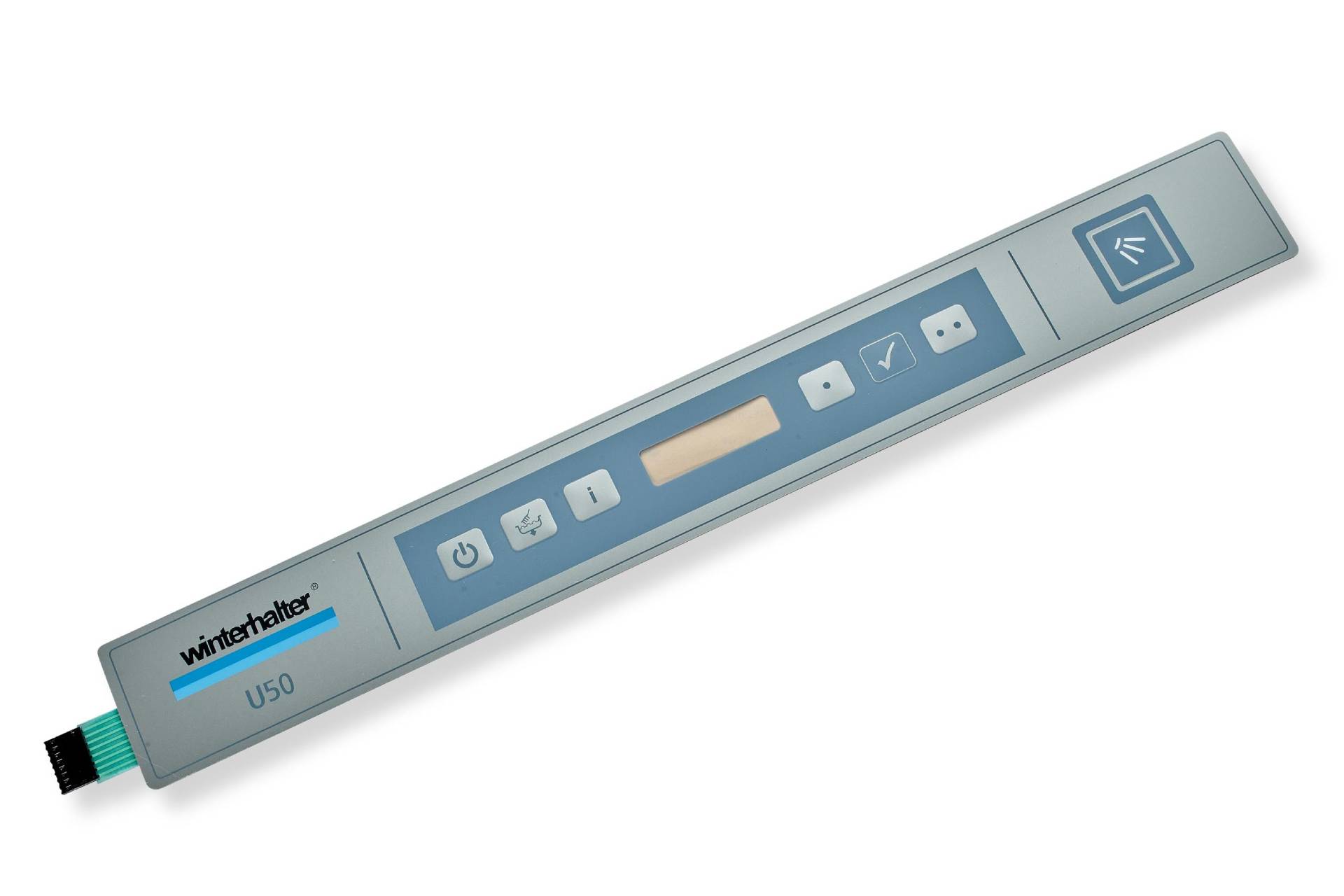
Rubber keypads are functional components commonly utilized in different electronic gadgets, ranging from customer electronic devices to commercial tools. Their style enables for a tactile action, making them an excellent selection for applications calling for individual interaction. Frequently located in items such as remotes, calculators, and medical gadgets, rubber keypads facilitate simplicity of usage and access.
In commercial settings, they offer essential functions in equipment and control panels, where longevity and resistance to environmental factors are essential. The non-slip surface boosts grasp, advertising reliability in requiring conditions. Furthermore, their light-weight nature and customizable forms enable producers to produce tailored options that fit particular demands. With improvements in technology, rubber keypads remain to develop, including features like backlighting and enhanced sensitivity. On the whole, their adaptability and practical advantages add significantly to the efficiency of numerous gadgets across multiple fields.
Materials Utilized in Rubber Keypad Production
Keypad manufacturing counts on a choice of materials that improve both performance and longevity. The main product utilized in the manufacturing of rubber keypads is silicone rubber, recognized for its excellent durability and versatility. This material enables keypads to withstand repeated pressing without losing form or efficiency. Additionally, thermoplastic elastomers (TPE) are usually utilized due to their convenience of molding and capacity to provide a soft-touch feel.
Coloring agents, such as pigments, are integrated to assure dynamic, lasting hues that improve aesthetic charm. In addition, additives like anti-UV representatives and flame resistants might be combined right into the rubber to boost weather resistance and security compliance. The option of materials directly influences the keypad's tactile response, durability, and overall performance in numerous gadgets. Eventually, the careful selection of these parts is essential for the production of top notch rubber keypads that meet customer and market demands.
The Layout Refine of Rubber Keypads
When producing rubber keypads, the layout procedure plays a necessary function in figuring out functionality and user experience. Designers start by specifying the keypad's intended usage, thinking about factors such as the gadget it will certainly go along with and the target user demographic. This initial stage includes sketching designs that prioritize ergonomic facets, ensuring the secrets are conveniently available and suitably spaced.
Next, designers concentrate on the responsive responses wanted from the keypads, which affects the selection of materials and crucial forms. Prototyping is important in this phase, permitting developers to examine different styles for convenience and responsiveness.
Manufacturing Techniques for Rubber Keypads
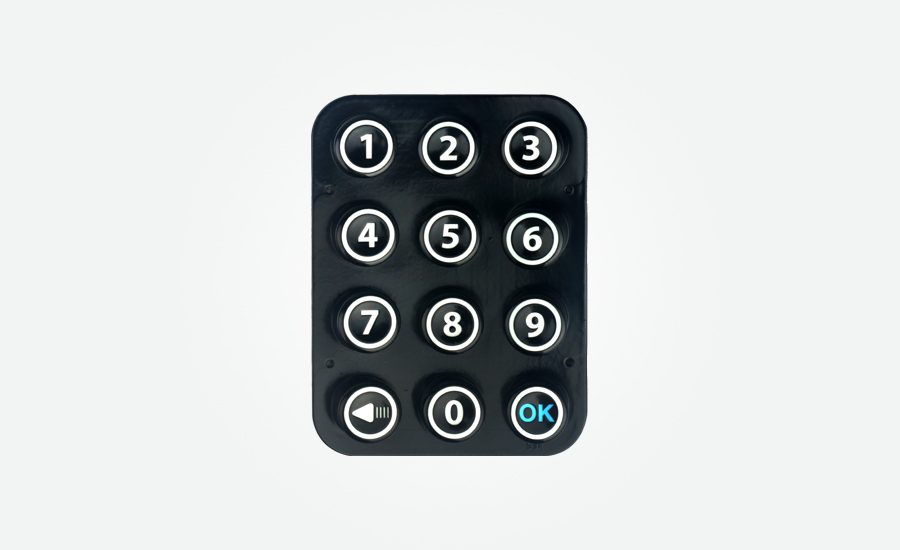
The production procedure for rubber keypads includes a series of specific strategies that assure top quality and capability. Liquid silicone rubber (LSR) is typically utilized due to its resilience and versatility. The process starts with blending the raw products, consisting of silicone, colorants, and curing agents. This combination is then infused right into mold and mildews developed to form the keypads properly.
Following shot, the molded keypads go through curing, a heating procedure that solidifies the product (Rubber Keypads). This is generally done in a press, making certain the keypads attain the preferred hardness and strength
Quality Assurance Measures in Production
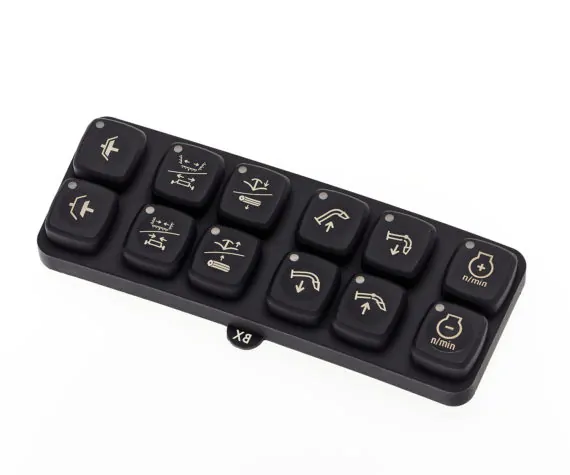
To ensure that rubber keypads meet high standards of quality and performance, strenuous quality assurance procedures are executed throughout the production process. These measures begin with resources inspection, making certain that just the highest-grade elastomers are used. Throughout the manufacturing stage, operators carry out routine checks to check parameters such as temperature, pressure, and mixing times, critical for achieving consistent product high quality.
Post-production, each batch of keypads undergoes complete screening, consisting of tactile action assessments and longevity examinations to examine performance under different conditions. like it Aesthetic examinations are additionally carried out to identify any flaws, such as bubbles or incongruities in structure. Additionally, compliance with market requirements is validated, making certain that the keypads fulfill security and capability criteria.
The Role of Modern Technology in Keypad Advancement
Technology plays an essential role in the growth of rubber keypads by allowing advanced production methods that enhance accuracy and effectiveness. Additionally, cutting-edge material option permits improved durability and responsiveness in keypad efficiency. These developments not just enhance production yet likewise raise the total quality of the final item.
Advanced Production Techniques
Developments in manufacturing strategies change the manufacturing of rubber keypads, boosting both effectiveness and accuracy. Technologies such as shot molding and 3D printing have actually transformed typical processes, making it possible for suppliers to produce intricate layouts with reduced waste and enhanced turn-around times. Automation plays a necessary duty in this advancement, streamlining assembly lines and decreasing human error. Furthermore, computer-aided design (CAD) software application permits complex customization, making sure that keypads fulfill particular user demands. Quality assurance steps have actually also advanced, including real-time monitoring systems that find issues early in the manufacturing cycle. These developments not just improve the durability and performance of rubber keypads but additionally support the growing demand for tailored solutions in various markets, from customer electronic devices to auto applications.
Ingenious Material Choice
The advancement of manufacturing methods has actually led the way for ingenious product option in rubber keypad advancement. Breakthroughs in polymer scientific research have actually presented materials that boost sturdiness, versatility, and tactile feedback. Suppliers now make use of thermoplastic elastomers (TPE) and silicone compounds, which provide remarkable resistance to use and ecological elements. These materials enable for the production of keypads find more information that can endure extended usage while keeping aesthetic allure. In addition, the combination of coverings and ingredients improves capability, such as enhancing grasp and minimizing rubbing. The option of products is necessary, as it straight affects the performance and longevity of keypads in different gadgets, from consumer electronics to commercial devices. This ingenious method remains to shape the future of keypad layout and use.
The Influence of Rubber Keypads on User Experience
Rubber keypads greatly affect user experience via their enhanced responsive response, which permits for more specific interaction. In addition, their durability and durability contribute to regular performance gradually, reducing the requirement for constant substitutes. This mix of features makes rubber keypads a favored option in different applications, inevitably influencing customer complete satisfaction.
Boosted Tactile Response
Enhancing responsive feedback greatly influences customer experience, especially in gadgets that depend on keypads for communication. Rubber keypads supply a special mix of softness and resilience, enabling users to feel unique responses with each press. This comments enhances a sense of control and precision, essential in applications varying from smartphones to commercial equipment. Customers frequently report greater complete satisfaction and performance when engaging with gadgets that include properly designed rubber keypads, as they promote quicker view it now and a lot more exact input. Additionally, the ergonomic layout of these keypads can reduce finger fatigue, advertising longer usage periods without discomfort. Generally, the boosted responsive reaction given by rubber keypads considerably adds to an extra instinctive and satisfying customer experience in modern-day technology.
Resilience and Durability
A crucial element of user experience with rubber keypads copyrights on their durability and durability. These keypads are created to withstand extensive use, standing up to wear and tear that often influences other materials. The robust nature of rubber warranties that keypads preserve their performance and appearance over time, which is important for gadgets often utilized in various atmospheres. Customers profit from the dependability of rubber keypads, as they can sustain direct exposure to dampness, dust, and temperature level fluctuations without deteriorating. This strength not just boosts customer contentment however also minimizes the requirement for constant replacements, ultimately adding to cost-effectiveness for makers. Essentially, the toughness of rubber keypads greatly influences the general efficiency and customer experience in modern-day gadgets.
Regularly Asked Inquiries
For How Long Do Rubber Keypads Typically Last in Devices?
Rubber keypads generally last between 5 to one decade, depending upon usage, environmental variables, and high quality of materials utilized (Rubber Keypads). Normal wear and tear can shorten their life-span, impacting performance and user experience gradually
Can Rubber Keypads Be Personalized for Particular Applications?
Rubber keypads can without a doubt be personalized for particular applications, enabling changes in size, color, shape, and appearance. This adaptability enables suppliers to produce tailored solutions that fulfill diverse individual requirements and boost functionality in different devices.
Are Rubber Keypads Eco Friendly?
Rubber keypads are typically not taken into consideration eco friendly due to their petroleum-based products. However, developments in lasting production practices and the development of bio-based choices are slowly boosting their environmental impact in different applications.
What Are Common Concerns Dealt With During Rubber Keypad Production?
Common concerns dealt with during rubber keypad manufacturing include irregular worldly top quality, mold and mildew flaws, incorrect curing times, bond failures, and difficulties in attaining specific tactile feedback. These problems can bring about lowered product efficiency and consumer dissatisfaction.
How Do Rubber Keypads Compare to Other Kinds Of Secret Switches Over?
Rubber keypads offer a softer feel and quieter procedure contrasted to mechanical switches, which give tactile responses. Rubber keypads may wear out faster and do not have the precision that some users like in high-performance applications.
The key product used in the manufacturing of rubber keypads is silicone rubber, understood for its excellent strength and flexibility. When producing rubber keypads, the style procedure plays an important role in identifying functionality and user experience. Rubber keypads greatly influence customer experience via their boosted tactile feedback, which enables for more exact communication. Users usually report greater fulfillment and performance when communicating with gadgets that include well-designed rubber keypads, as they assist in quicker and a lot more exact input. A crucial element of individual experience with rubber keypads lies in their longevity and long life.